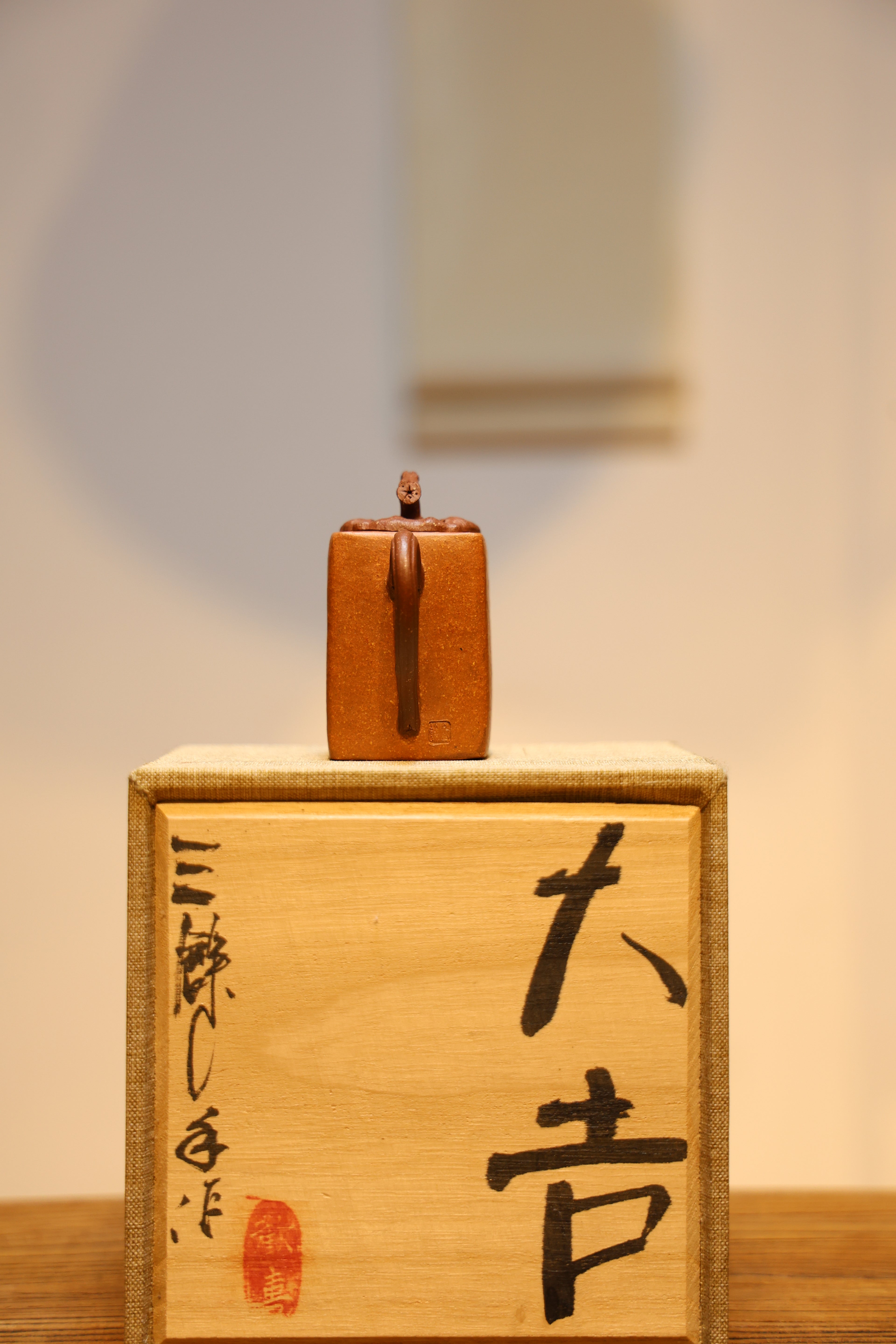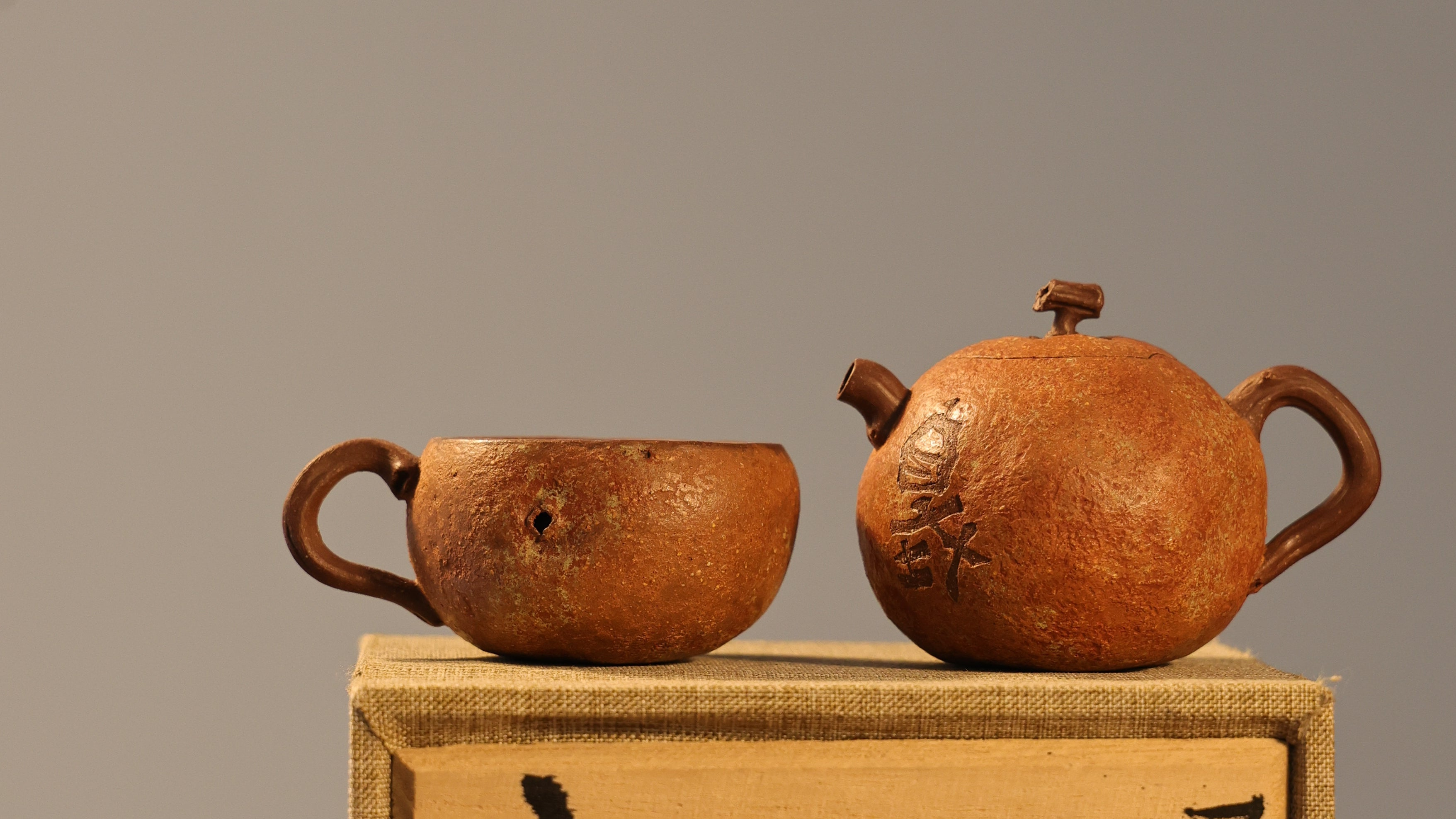
Generations in lovers have craved the exclusive allure of Yixing Zisha pots. Rooted in the tranquil town of Yixing, the homeland, these urns are constructed from a unique and sourced purple clay noted for its premium thermal characteristics and capability to improve the richness of concoctions. More than their practical significance, Zisha teapots exemplify a extensive artistic roots, transforming them immensely treasured and a legitimate find for any zealous teapot aficionado.
Delving into Yixing Pitchers
Traditional teapots exhibit a distinct amalgamation of history and craftsman craftsmanship. Existing in Yixing, Jiangsu Area of China, their narrative commences in the Ming Dynasty, although traces suggest earlier manifestations. The exceptional reddish-brown clay, called Zisha, found merely in the Yixing region, is the crucial component, contributing to the pots' superior heat holding and the manner they influence the profile of tea. Successive eras of potters have improved techniques—often transmitted through families—including crafting the clay, applying intricate embellishments, and firing the pots at accurate temperatures.- Traditionally, Yixing teapots were often enhanced with simple designs.
- Later, more advanced carvings and figurative motifs became favored.
- The kiln firing itself is a vital element, requiring years of practice.
Acquiring Zisha Teapots: Crucial Criteria
Beginning a venture to accumulate Zisha pots can be rewarding, but it’s necessary to learn what to examine. Authenticity is fundamental; focus on the potter’s natural tint, a understated reddish-brown is usual. Examine the quality; genuine Zisha has a remarkable tactile sensation, often portrayed as slightly coarse. The outline should be pleasing and consistent with time-honored styles, while inscriptions, if present, require painstaking examination for authenticity. Don’t hold back to consult with skilled authorities or reputable references – their perception is irreplaceable.
Oriental Pots: Delving into the Custom of authentic Purple Ware
Eons have seen Yixing Yixing Teapot Rare Clay teapots preserve a special role in Chinese tradition. These carefully constructed pots, sourced exclusively from the province of Yixing, are prominent for their distinctive shade, feel, and their ability to enhance the taste of infusions. Several collectors pursue antique Yixing teapots, regarding them immensely not only for their aesthetic attractiveness, but also for the background they reflect.
Yixing Zisha Teapots: This Top Kinds and Their Features
Purple Clay teapots, coming from the Yixing area of Yixing, China, are acclaimed for their exclusive clay and high-quality brewing aptitudes. Amongst the many Zisha types, certain selections that are highly coveted include Tianqing. Binzhou, known for its profound purple shade and fine texture, delivers a tempered flavor. Duan Ni category, recognizable by its mahogany color and mildly grainy feel, is said to enhance a heft. Lastly, Zhuni faction boasts an infrequent red tone and can convey a gentle nuance. Each kind offers a alternative experience, allowing them very desirable regarding brew enthusiasts.
Achieving Your Ceramic Pot
To unlock the capability of your Yixing pot, knowing the correct means is crucial. These clay pots, celebrated for their passability, will progressively accept the core of the tea you steep within them. Begin by cleansing the vessel thoroughly with scalding water. Then, use only superior loose leaf tea, as lower quality options can weaken the vessel’s delicate qualities. Always let the leaves to extend completely, and remember that with each infusion, your Yixing jar will become progressively refined.
Caring for Your Valuable Zisha Item
Proper management for your Zisha pot is fundamental to protecting its value and significance. Zisha clay, praised for its unique tone and makeup, requires delicate handling. Never use caustic detergents, as these can injure the film. After every session, rinse the container with room temperature water and allow it to dehydrate completely.
- Sidestep soaking the kettle for extended stretches.
- At intervals use a soft rag to dress the exterior.
- Consider applying a thin layer of food-grade oil inside the pitcher after drying, which can minimize staining.
Initial Guide to Yixing Teapots
Yixing vessels, originating from the Yixing zone in Jiangsu Province, China, are celebrated for their distinctive attributes. Created from the unique purple substance known as Zisha, these pots are prized by drink enthusiasts worldwide. This manual will clearly explain the nuts and bolts – covering varieties of Zisha soil, well-liked shapes, and critical care helpful hints. Understanding the history of Yixing clay pots can broaden your appreciation for this valued example of Sinic civilization.
Fabrication of Chinese Clay Pots: Spotlighting Zisha found in this city of Yixing
Zisha substance from the Yixing territory represents the pinnacle of Chinese pot design, boasting a special mixture of authentic beauty and operational artistry. These notable pieces are noted for their profound tones, often varying from robust purples and chestnut hues to light greys and soft beiges. The distinctive mineral composition of the native Zisha material imparts a defining texture and generates a satisfying aroma that improves the complete tea experience, making them exceptionally admired collectibles and key components of any serious practice.