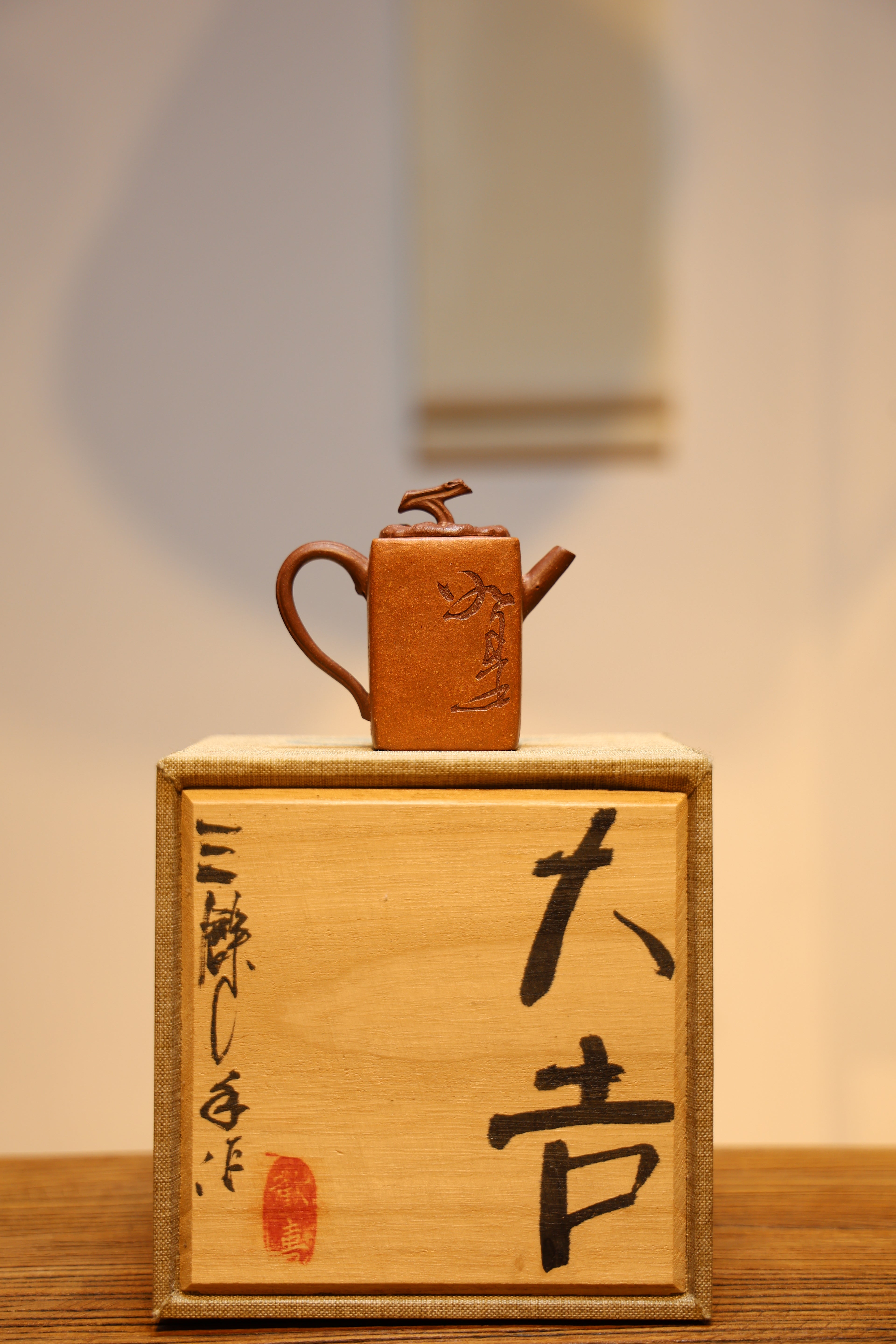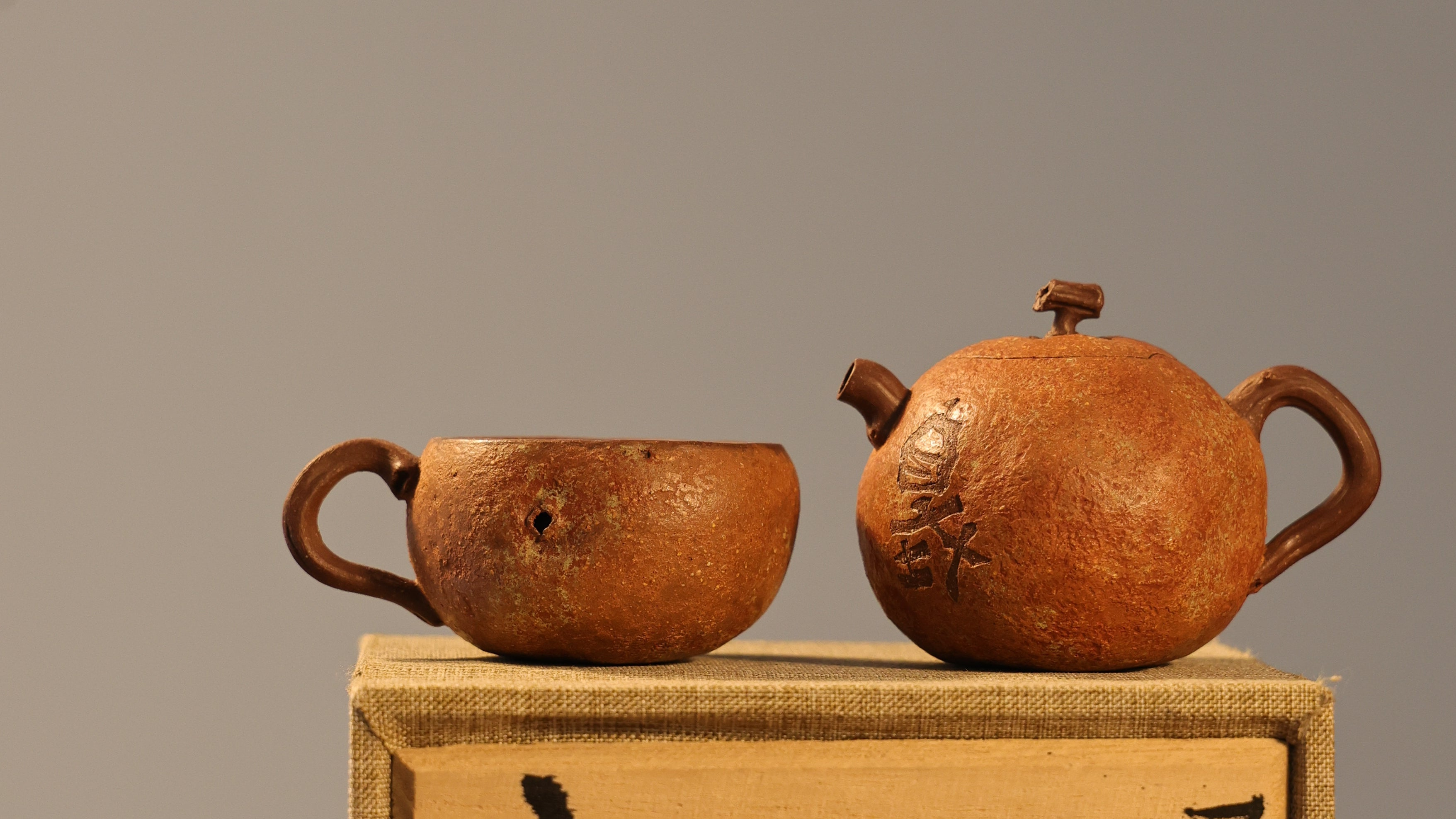
Times in enthusiasts have long valued the distinctive charm of Yixing Zisha flasks. Existing in the tranquil town of Yixing, China, these pots are fabricated from a singular and dug purple clay recognized for its extraordinary thermal qualities and ability to refine the note of liquids. More than their practical value, Zisha teapots illustrate a vast heritage tradition, designating them markedly coveted and a authentic treasure for any committed teapot aficionado.
Investigating Yixing Teapots
Classic teapots demonstrate a distinctive synthesis of history and expert craftsmanship. Emerging in Yixing, Jiangsu Province of China, their narrative begins from the Ming Dynasty, although documentation suggest earlier forms. The unparalleled reddish-brown clay, called Zisha, found merely in the Yixing region, is the integral component, contributing to the pots' exceptional heat keeping and the manner they alter the taste of tea. Epochs of potters have refined techniques—often relayed through families—including coiling the clay, applying sophisticated embellishments, and firing the pots at controlled temperatures.- Historically, Yixing teapots were often furnished with simple designs.
- Subsequently, more detailed carvings and pictorial motifs became prevalent.
- The firing process itself is a key element, requiring considerable time of expertise.
Collecting Zisha Teapots: Crucial Checkpoints
Beginning a expedition to acquire Zisha kettles can be profitable, but it’s important to appreciate what to look for. Authenticity is essential; focus on the clay’s natural tint, a faint reddish-brown is common. Examine the quality; genuine Zisha has a remarkable tactile sensation, often defined as slightly rugged. The profile should be balanced and consistent with antique styles, while labels, if present, require thorough examination for legitimacy. Don’t postpone to consult with experienced collectors or trusted resources – their understanding is essential.
The Containers: Researching the Tradition of this Yixing Clay
Periods have seen Yixing Rare Clay teapots maintain a unique role in Chinese history. These skillfully produced pots, sourced exclusively from the area of Yixing, are celebrated for their identifiable tint, quality, and their ability to amplify the quality of liquids. Legions of collectors seek antique Yixing teapots, valuing them greatly not only for their aesthetic appeal, but also for the story they embody.
Yixing Zisha Teapots: Unique Foremost Forms and Their Properties
Zisha Ware teapots, rooted in the renowned district of Yixing, the country, are esteemed for their singular clay and superb brewing functions. Within the various Zisha types, prominent sorts that are highly coveted include Tianqing. Binzhou, known for its profound purple shade and even texture, delivers a gentle flavor. This Duan Ni variety, recognizable by its orangish color and partially grainy feel, is assumed to enhance the weight. Lastly, Zhuni Zisha boasts an peculiar vermilion tone and can provide a pleasant nuance. Each variety supplies a varied experience, causing them highly desirable towards brew enthusiasts.
Achieving Individual Clay Teapot
To reveal the power of your Yixing kettle, appreciating the correct system is vital. These clay receptacles, celebrated for their passability, will progressively absorb the soul of the tea you prepare within them. Begin by scraping the container thoroughly with warm water. Then, use only excellent full leaf tea, as lower quality options can damage the item’s delicate aroma. Always give the leaves to develop completely, and remember that with each use, your Yixing pitcher will become increasingly esteemed.
Safeguarding Your Beloved Zisha Piece
Proper management for your Zisha pot is fundamental to protecting its integrity and importance. Zisha clay, celebrated for its unique shade and surface, requires careful handling. Never use intense chemicals, as these can wreck the glaze. After every employing, Zisha Teapot rinse the kettle with moderate temperature water and allow it to dry completely.
- Eschew soaking the urn for extended durations.
- Sporadically use a soft towel to dust the exterior.
- Weigh applying a thin layer of food-grade oil inside the pitcher after drying, which can minimize staining.
Initial Guide to Yixing Clay Pots
Yixing vessels, originating from the Yixing province in Jiangsu Province, of China, are celebrated for their distinctive traits. Shaped from the unique purple clay known as Zisha, these containers are prized by brew enthusiasts worldwide. This digest will briefly explain the core elements – covering forms of Zisha composite, popular shapes, and vital care suggestions. Understanding the roots of Yixing jars can improve your appreciation for this esteemed example of Far Eastern folklore.
Fabrication of Chinese Vessels: Spotlighting Zisha native to the Yixing territory
Zisha clay from the Yixing region represents the maximal point of Mandarin container design, undergoing a exceptional concoction of genuine beauty and valuable artistry. These celebrated pieces are honored for their rich color palettes, often spanning dark purples and brown hues to soft greys and light beiges. The distinct mineral composition of the area’s Zisha ground imparts a signature texture and generates a gratifying aroma that richens the comprehensive concoction experience, enabling them notably admired collectibles and indispensable components of any serious ritual.